One-stop supplier for all kinds of formwork and construction materials.
Formwork Safety: Lessons from 500 Projects
Formwork failures are rarely caused by the formwork. A review of what actually goes wrong on site, and the checks that catch it before it becomes an incident.

In fifteen years and more than five hundred projects, we have been called to investigate a handful of formwork incidents and a much larger number of near-misses. The pattern is consistent enough to be worth writing down.
Almost none of them were caused by a component failing. They were caused by a component being used in a way the designer never assumed.
The five recurring causes
1. Back-propping removed too early
By some distance the most common serious issue. A slab is struck on schedule, the back-propping below is removed to clear the floor for following trades, and the young slab is asked to carry a load it was never designed for at that age.
The control is simple and almost never enforced: back-propping removal should require the same authorisation as striking, in writing, against a maturity or cube result. Not a verbal agreement on the floor.
2. Props extended beyond their rating
An adjustable prop rated at 30 kN closed is not rated at 30 kN fully extended. Capacity falls sharply with extension, and the reduction is not linear. We regularly see props run at full extension on the assumption that the headline number still applies.
- Always work from the manufacturer load table at the actual extension
- Never extend a prop with packing, timber or bricks under the base plate
- Check verticality — an out-of-plumb prop loses capacity fast
- Replace props with bent tubes or damaged threads rather than nursing them
3. Mixed components from different systems
A ledger from one manufacturer will often physically fit another manufacturer’s standard. It will not necessarily carry the load the table says, because the table was produced by testing a matched set.
This happens most on rental fleets that have grown by acquisition. The fix is inventory discipline: mark systems distinctly, store them separately, and refuse mixed assemblies at the inspection stage.
4. Pour rate exceeding the design pressure
Wall formwork is designed for a specific rate of rise. Pour faster and the lateral pressure exceeds what the ties and walers were sized for. The result ranges from a bulged wall to a full blowout.
- Agree the maximum rate of rise before the pour, in writing, with the concrete supplier
- Remember that colder concrete stays fluid longer and increases pressure
- Watch retarded mixes especially — the design assumption is often based on a normal set
- Stop the pour if the rate is being exceeded, rather than hoping
5. Ties reused past their life
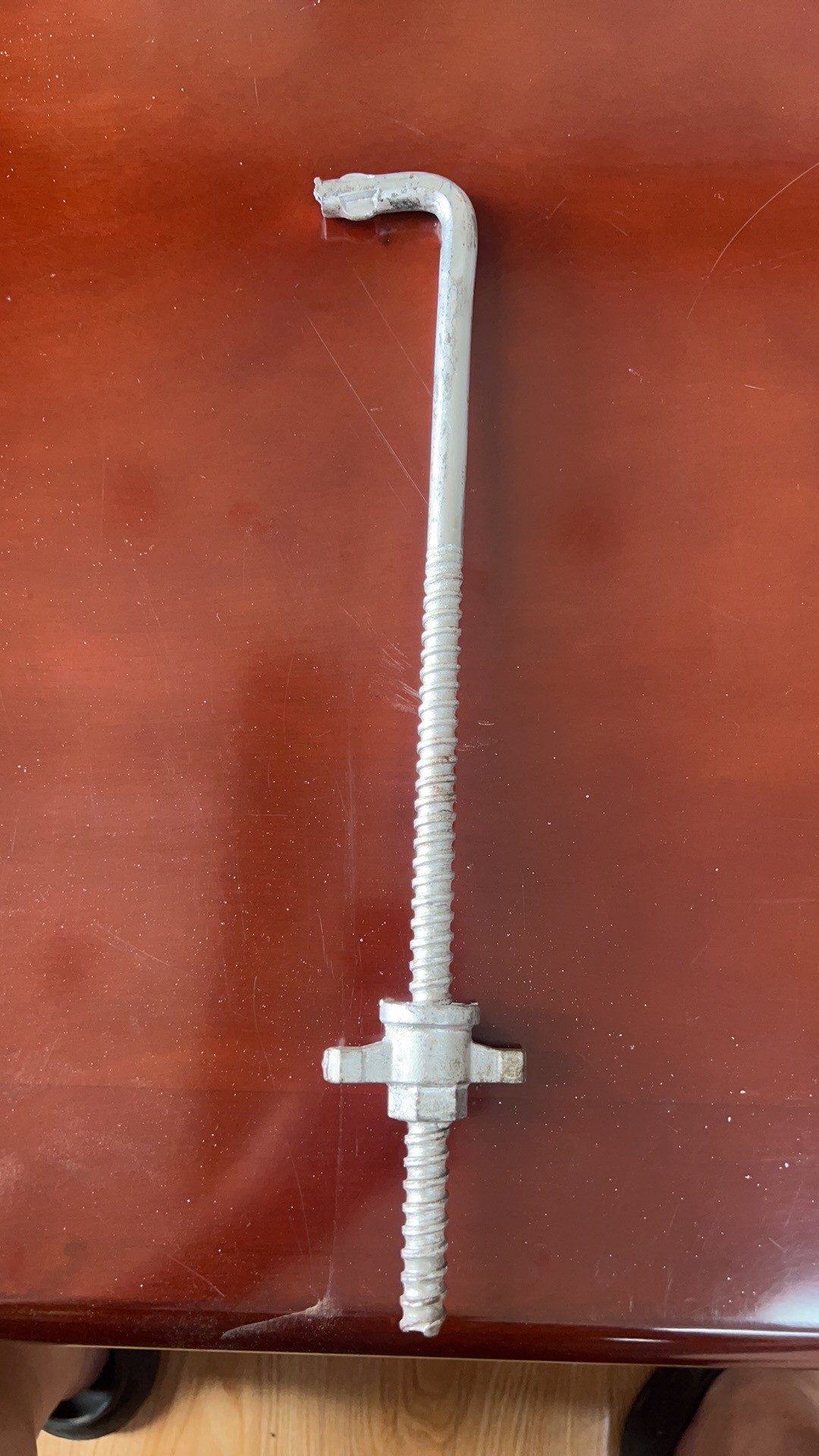
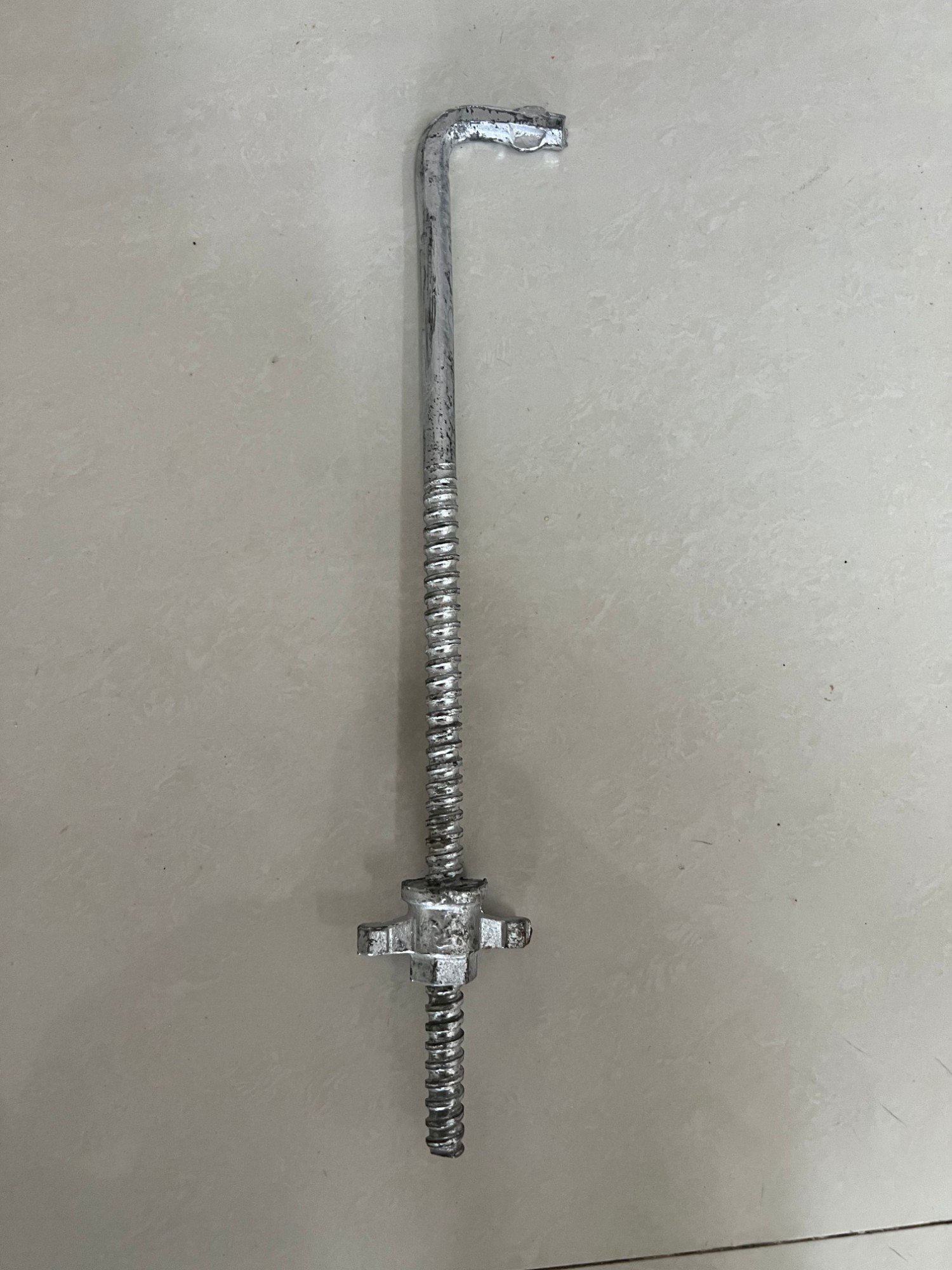
Tie rods and flat ties are consumables. They stretch, they corrode at the concrete interface, and they get damaged during stripping. A tie that has been used twenty times and stored in a wet bin is not the tie in the load table.
The inspection that catches most of it
A pre-pour formwork inspection takes twenty minutes and catches the large majority of what goes wrong. Ours covers:
- Prop extension checked against the load table, and verticality checked by eye and level
- Base plates bearing fully on sound material — no packing, no soft ground
- All wedges and pins fully driven, spot-checked across the deck
- Back-propping below in place and matching the issued layout
- Tie spacing matching the drawing, with tie condition sampled
- Bracing complete, including diagonals that are often left until last and then forgotten
- Agreed maximum pour rate written on the permit and known to the pump operator
We supply this checklist with every set, sized to the actual system we have delivered rather than as a generic document.
Design documentation is not optional
Any shoring arrangement over about 4 metres, or carrying a transfer structure, should have stamped calculations. Not because the authority asks for it, but because the act of calculating it surfaces the assumptions that would otherwise stay implicit.
We issue shoring design calculations with our tower packages, including the load path down to the supporting slab — which is frequently the element that everyone forgets to check.
The underlying lesson
Formwork systems are designed with real safety factors and they are, as products, reliable. What is not reliable is the assumption that the system on site is the system that was designed. Extensions change, components get mixed, props get borrowed, pours run fast.
The projects with clean safety records are not the ones with the best formwork. They are the ones where somebody checks, every pour, that what is standing matches what was drawn.
AP Building Materials
Shaanxi Hangtou Anping New Materials Technology Co., Ltd. — a one-stop manufacturer of aluminium formwork, steel formwork, scaffolding and support systems for contractors in 30+ markets.
Products
Aluminum FormworkSteel FormworkPlastic FormworkRinglock ScaffoldingSteel SupportShear Wall ReinforcementFormwork AccessoriesLanguage
Contact
info@aluminumformpro.com
+86 29 8888 6666
Shaanxi, China
Privacy Policy Terms & Conditions